6 months to senior-level projects, clear web design system and confidence in your work
Build a design process you can trust — and a portfolio you’re proud to show — in 6 months.
If you already know how to design websites but every new project still starts with the same questions...
Is this good enough? Is this the right direction? What should I design here?
...you probably don’t need more tutorials.
You need a process that helps you understand what to do, why you’re doing it, and how to make those decisions yourself.
That’s what we’ll build together over six months — while designing real projects side by side.
You know how to design. You just don’t trust the way you get there.
You’re not starting from zero anymore. You know Figma. You’ve designed a few websites. You can recognize great work when you see it.
But your own projects still feel unpredictable.
“I’m never sure if my decisions are right.”
Every project feels like you’re starting from zero again.
→ You’ll build a repeatable process you can use and explain on every project.
“My work looks okay, but something still feels off.”
You can immediately spot problems in somebody else’s work. Your own work is harder to diagnose.
→ You’ll get direct feedback on your actual files until you start seeing those problems yourself.
“I run out of ideas.”
You open a blank frame, search Awwwards, Pinterest or Dribbble and hope something gives you a direction.
→ You’ll learn how to generate directions from the brief, brand and audience before looking for the perfect reference.
“I always end up copying someone else’s work.”
You find a site you love, rebuild its layout and swap in your content. It looks fine — but it was never designed for your project.
→ You’ll learn to use references for understanding, then create solutions that come from your own brief.
The problem isn’t inspiration. It’s when inspiration becomes your process.
There is nothing wrong with using Awwwards, Pinterest, Dribbble or AI. I use references too. The problem is when your process looks like this:
The usual process
Because you’re starting with somebody else’s final answer before fully understanding your own problem.
Inside the mentorship, we reverse that
Every step builds on the one before — so by the time you design, the decisions are already made.
By the time you start creating the final design, you already understand:
“What layout can I use?”
“What should I create to communicate this message?”
That is the shift.
Three things I want you to leave with.
Not another folder full of courses. Not another hundred saved websites.
Three things you can actually use after the mentorship ends.
A process you own
A clear way to go from brief to finished website without improvising every phase.
You’ll know how to research, create direction, explore ideas, design and evaluate your own decisions.
And you’ll understand why you’re doing each step.
Confidence based on understanding
Not fake confidence. Not “I think this looks cool.”
Confidence that comes from knowing why a decision works.
So when a client asks “Why did you do it this way?” you have an answer.
A client-ready portfolio
Over the six months, you’ll work on projects designed to show the level of thinking and execution you’re capable of.
The goal is to finish with work you can confidently put in front of more serious clients and agencies.
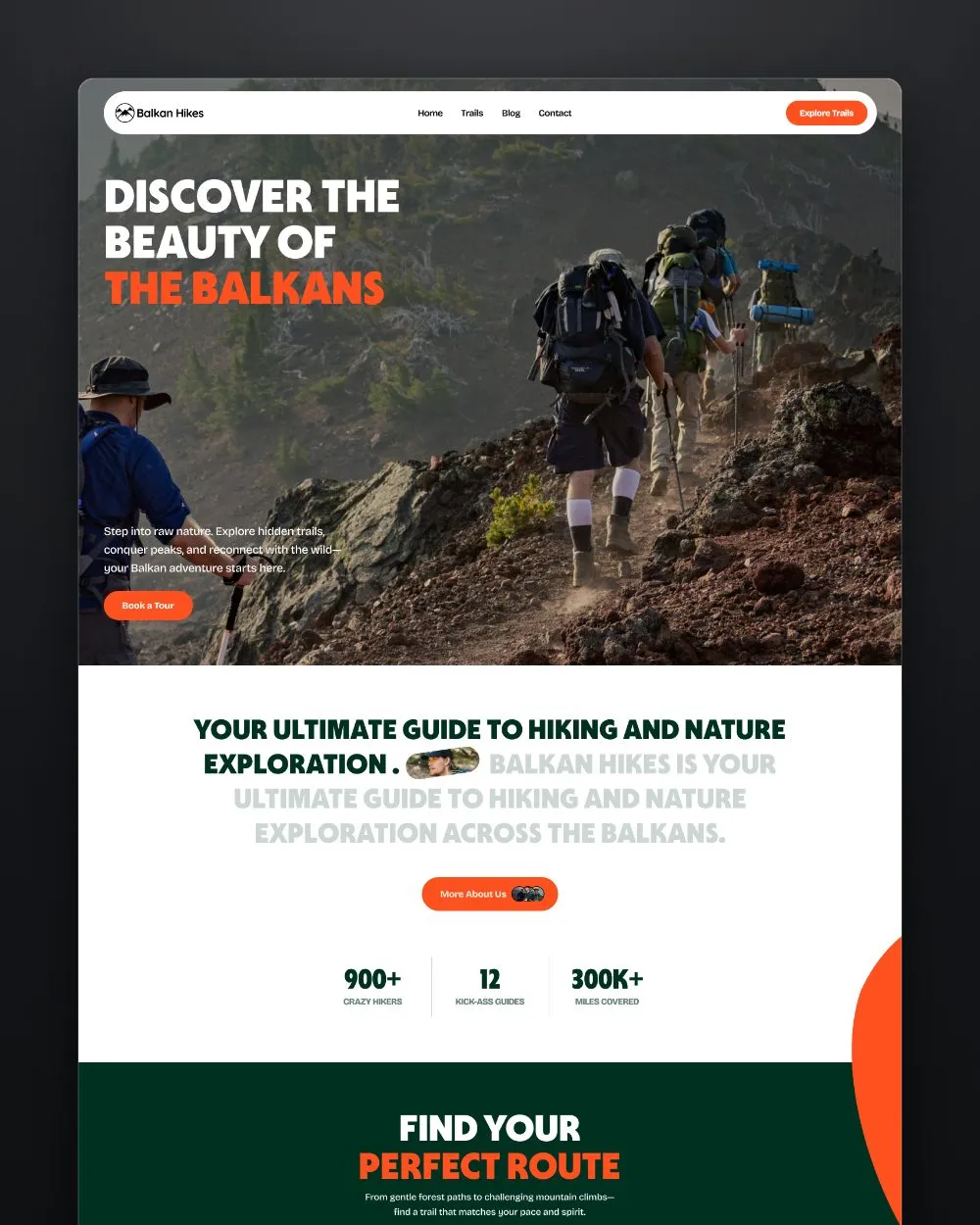
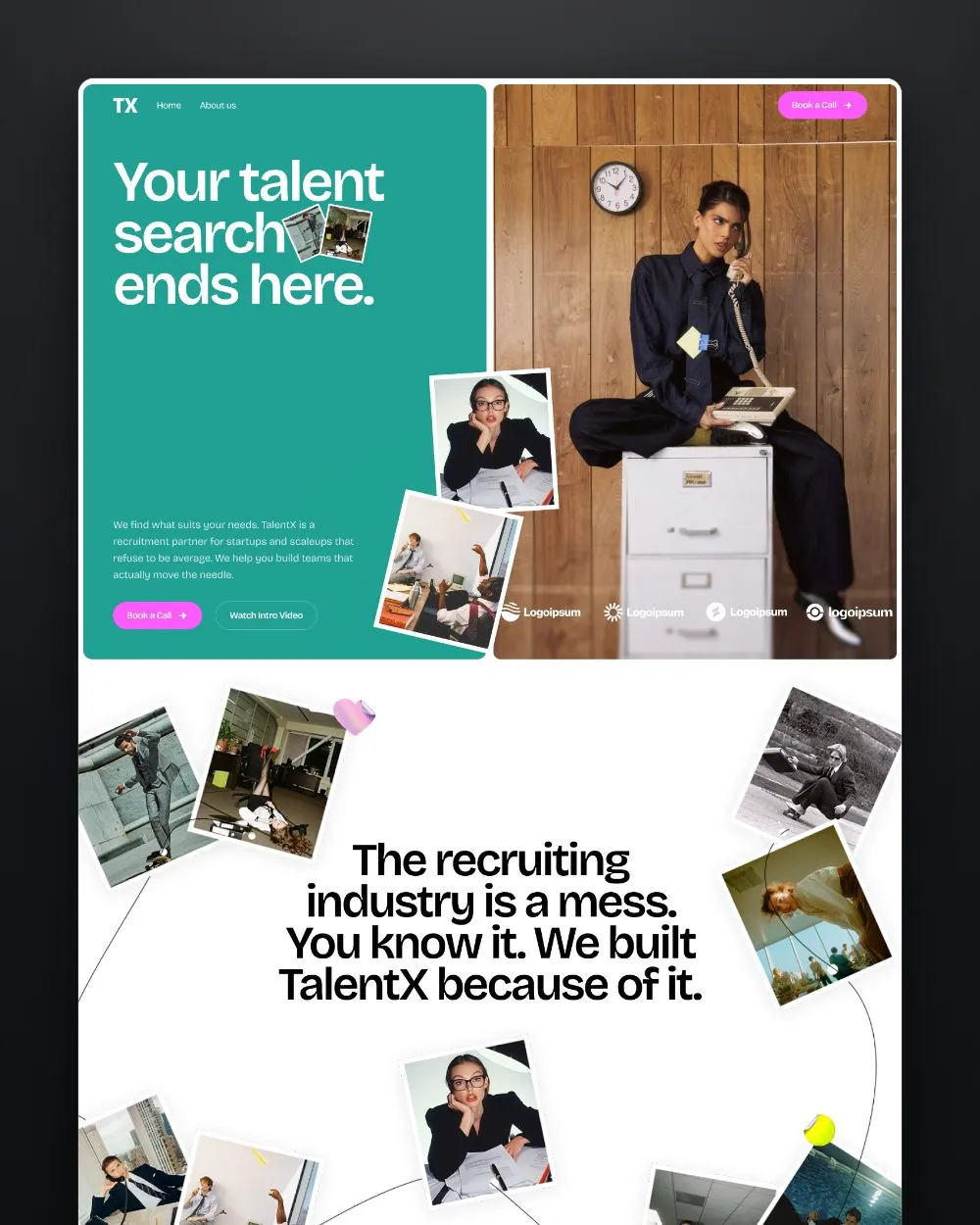 Case study · Ready to send
Better decisions create better work.
This isn’t about making the same website in a prettier style. It’s about changing the process behind the work.
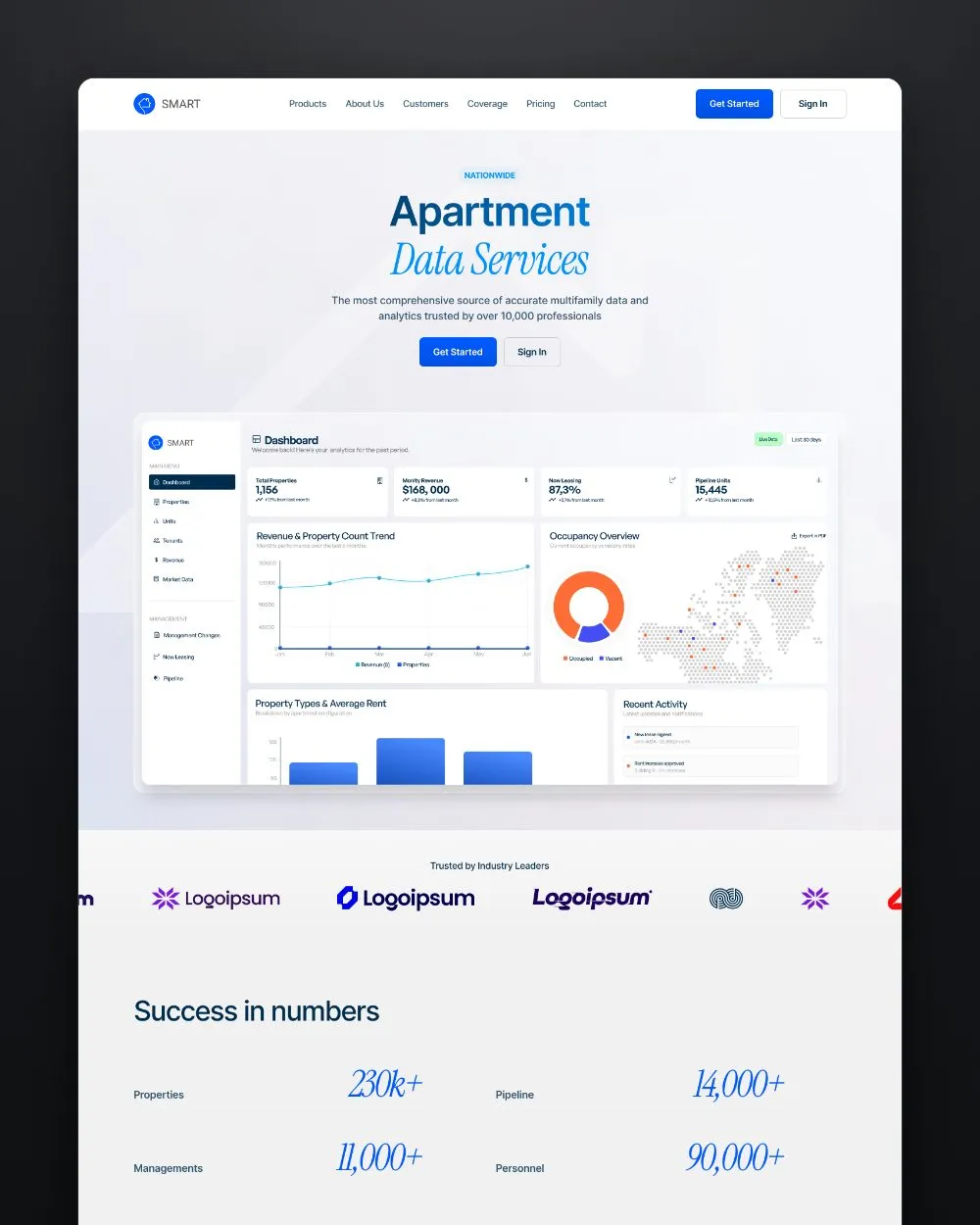
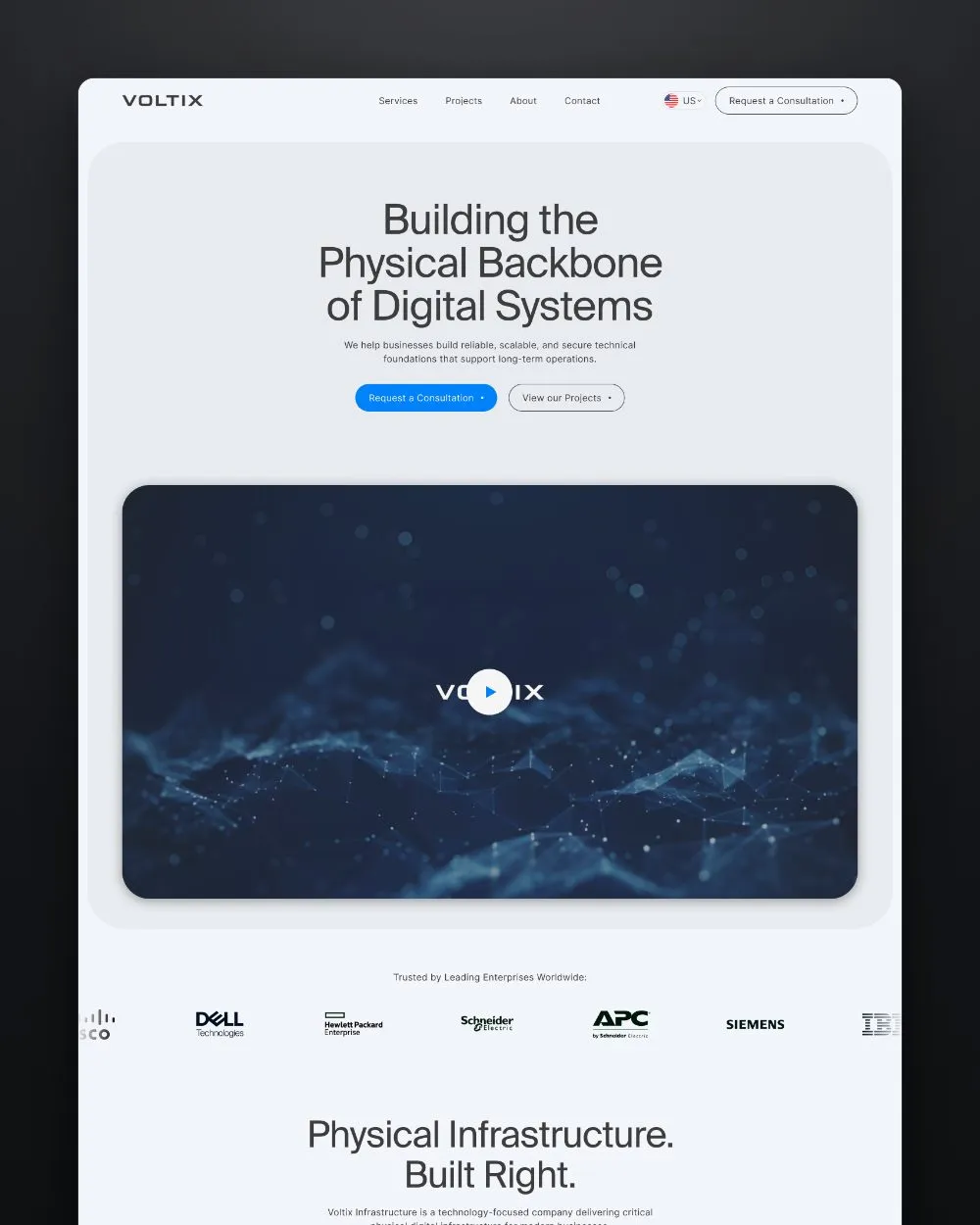
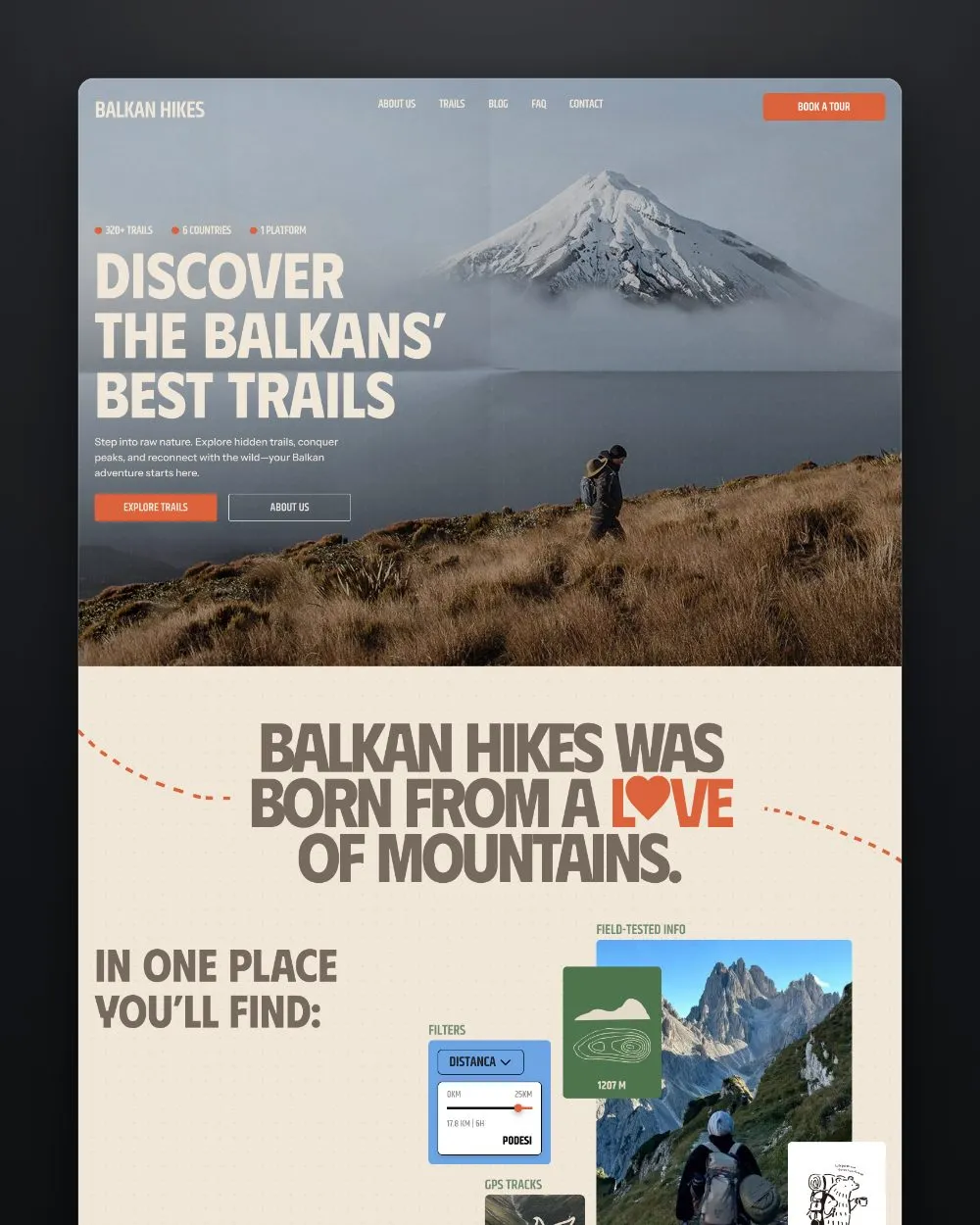
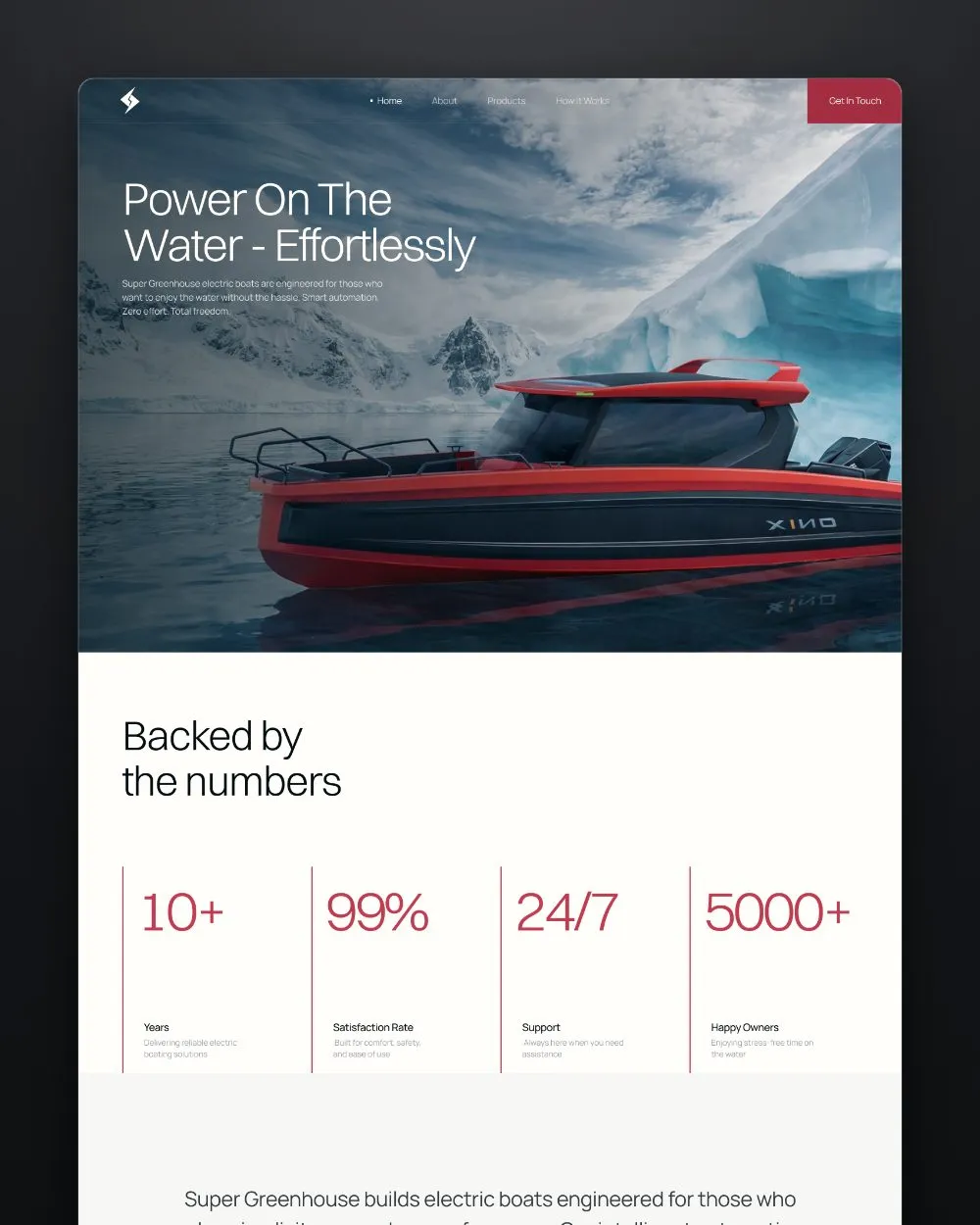
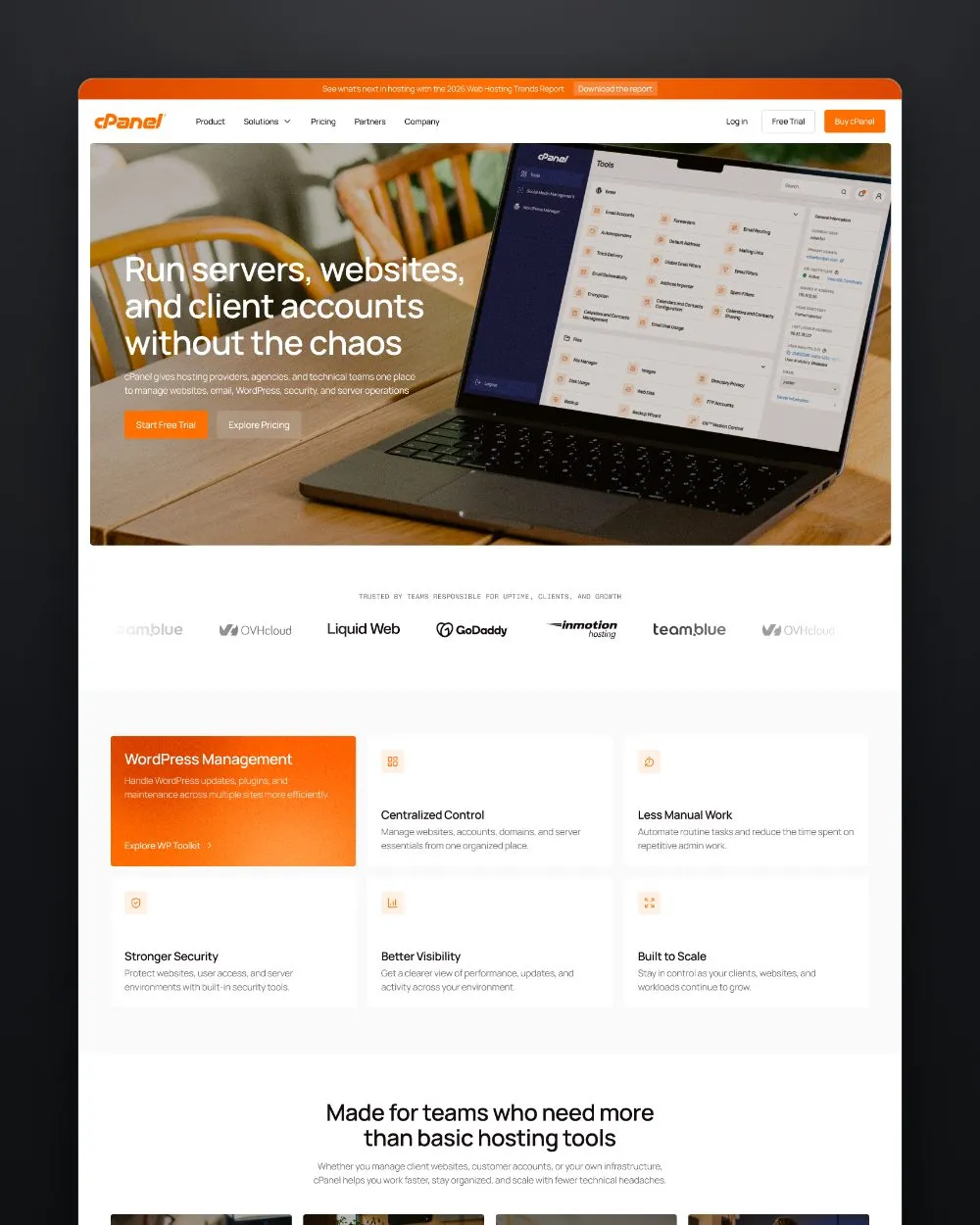
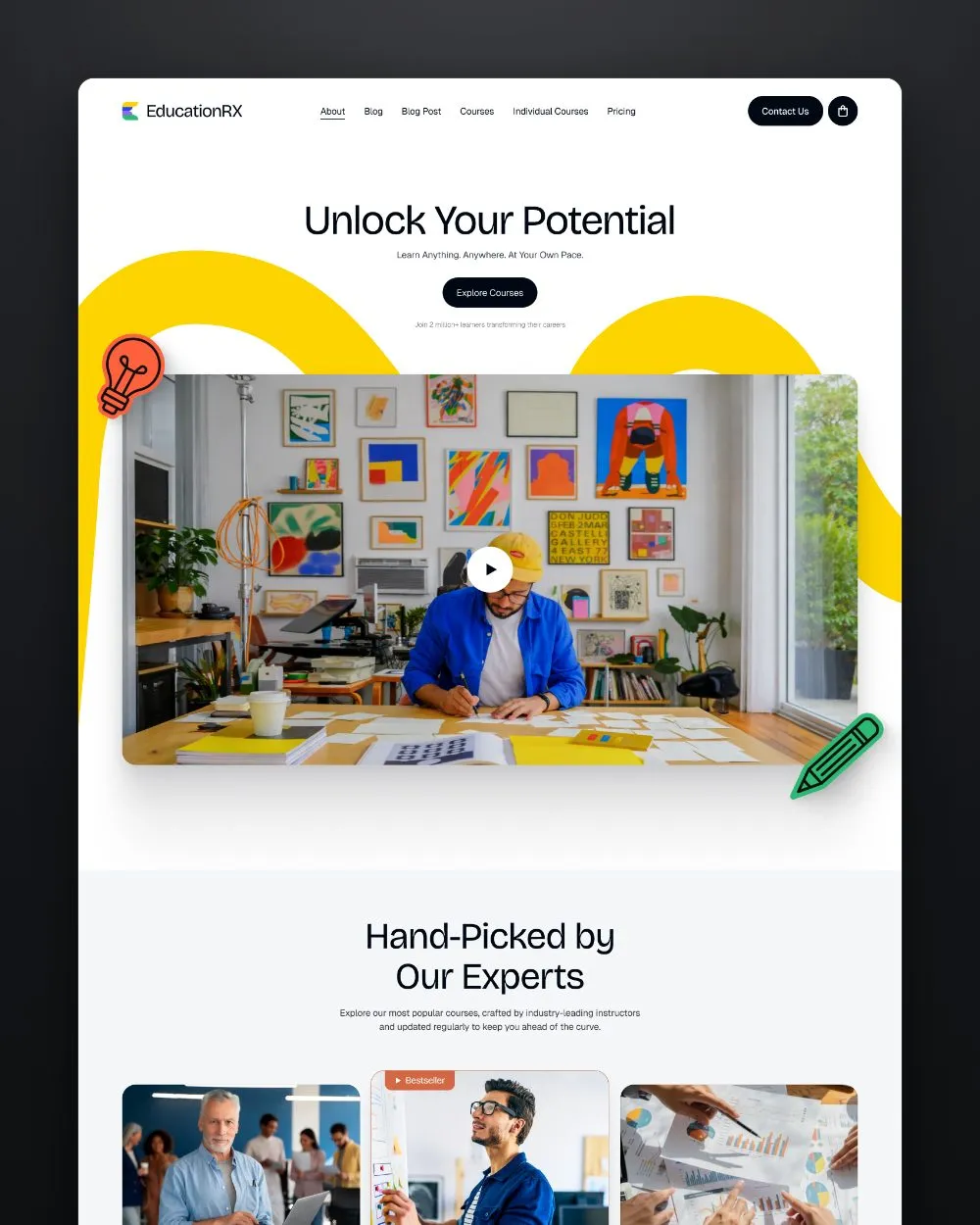
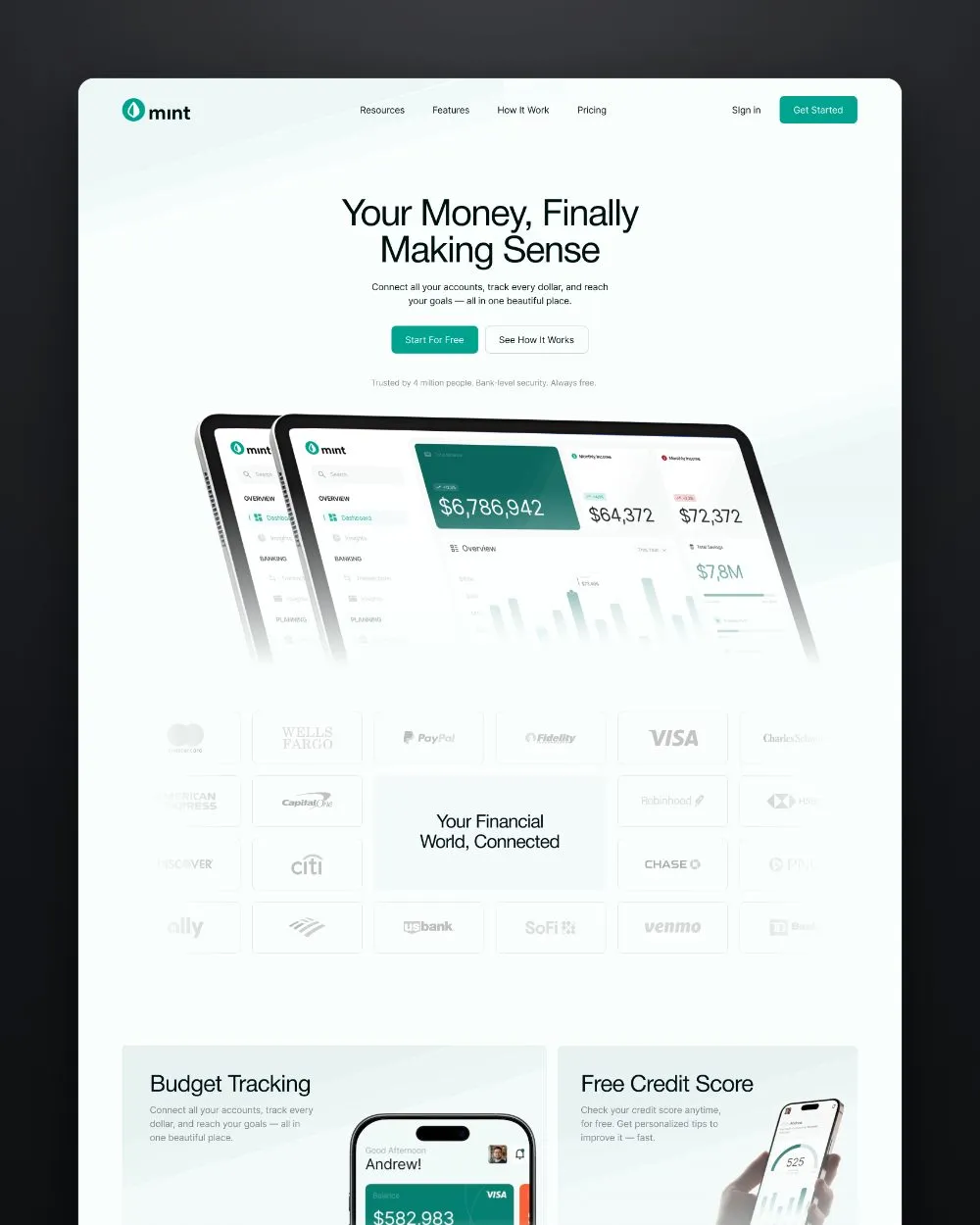
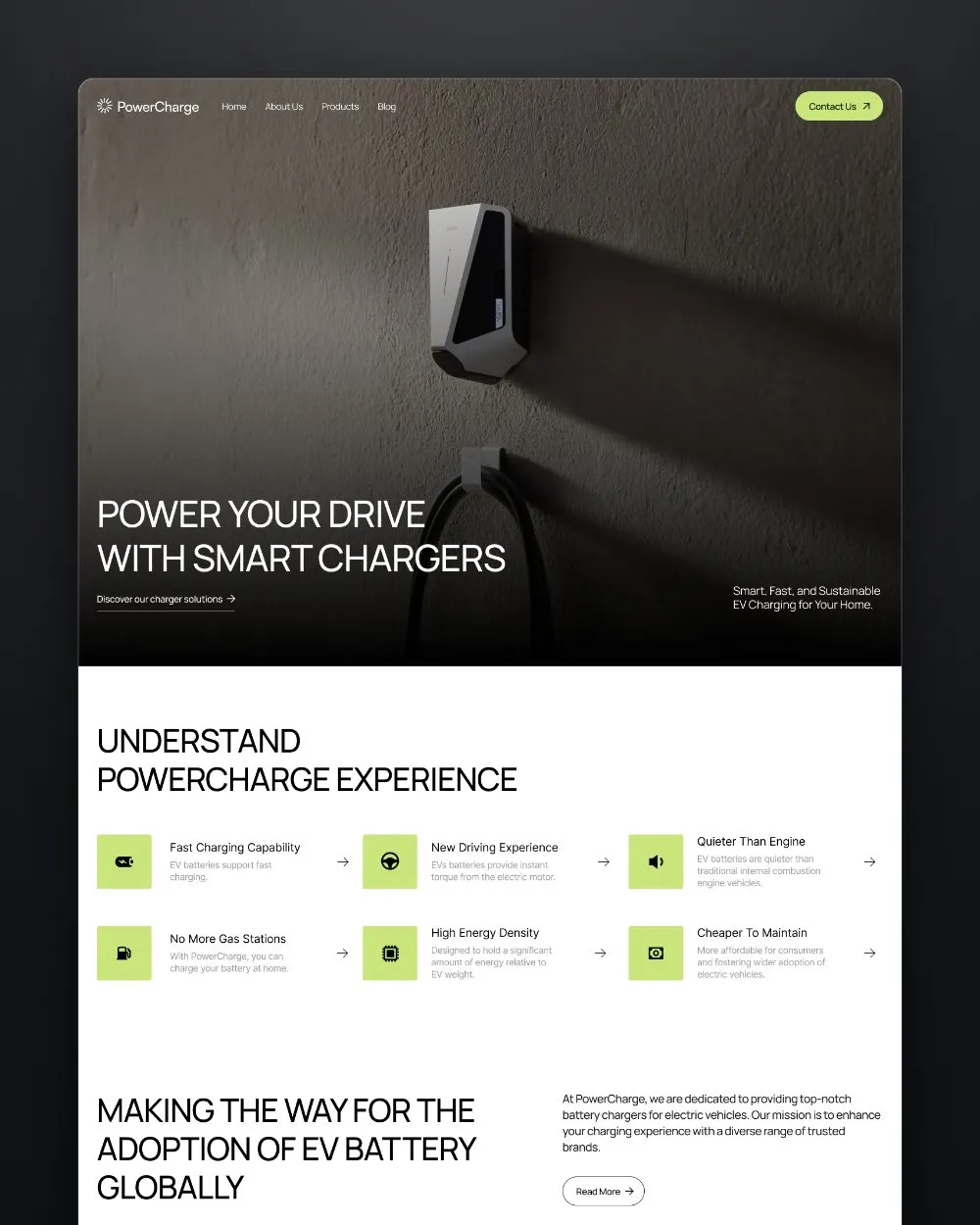
Six months of designing, feedback and repetition.
This isn’t a course you buy and watch whenever you remember it exists. We actually work together.
The group is limited to five designers so I can know your work, understand where you’re struggling and give you detailed feedback throughout the program.
One live group session
We design together, review projects, solve problems and break down decisions live. You’ll see not only what I would change, but why.
Feedback throughout the week
Send your work when it’s ready. Depending on what you need, feedback can come through Figma comments, messages, voice messages or Loom. You won’t be left wondering for a week whether you’re heading in the wrong direction.
Real project work
You’ll work on assignments, mentorship projects and — when relevant — your own client projects. We don’t just discuss design.
Weekly progress tracking
Every week you’ll answer six short questions so I can see what you’re working on, where you’re stuck and what we need to focus on next.
The goal isn’t to make you dependent on my feedback. It’s the opposite.
“This hierarchy isn’t working.”
You start noticing it before I do.
“This visual direction doesn’t fit the brand.”
You’re asking yourself that question while you’re building the moodboard.
“You’re choosing this layout because you’ve seen it somewhere — not because the content needs it.”
That becomes part of your own decision-making process.
That’s the point.
Six months of repeating the process until you start owning it yourself.
From the brief to the final page.
There isn’t a rigid “Month 1 / Month 2 / Month 3” curriculum. We work on what your projects need — when they need it.
Depending on the project, we’ll work through areas like:
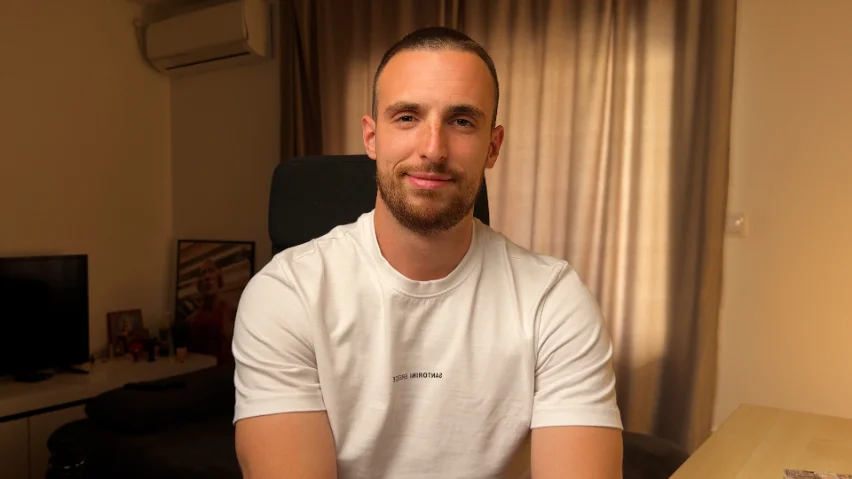
Let me introduce myself
I’ve been designing for around 14 years. For the last two years, I’ve been mentoring web designers and helping them improve the way they approach projects — not just the way the final screen looks.
I’ve worked inside Reload Mode on international web design projects, alongside an experienced agency team.
P.S. I will be 101% honest with you when it comes to the quality of your work. If it sucks, you will know it, because I belive that is the only way to actually improve...
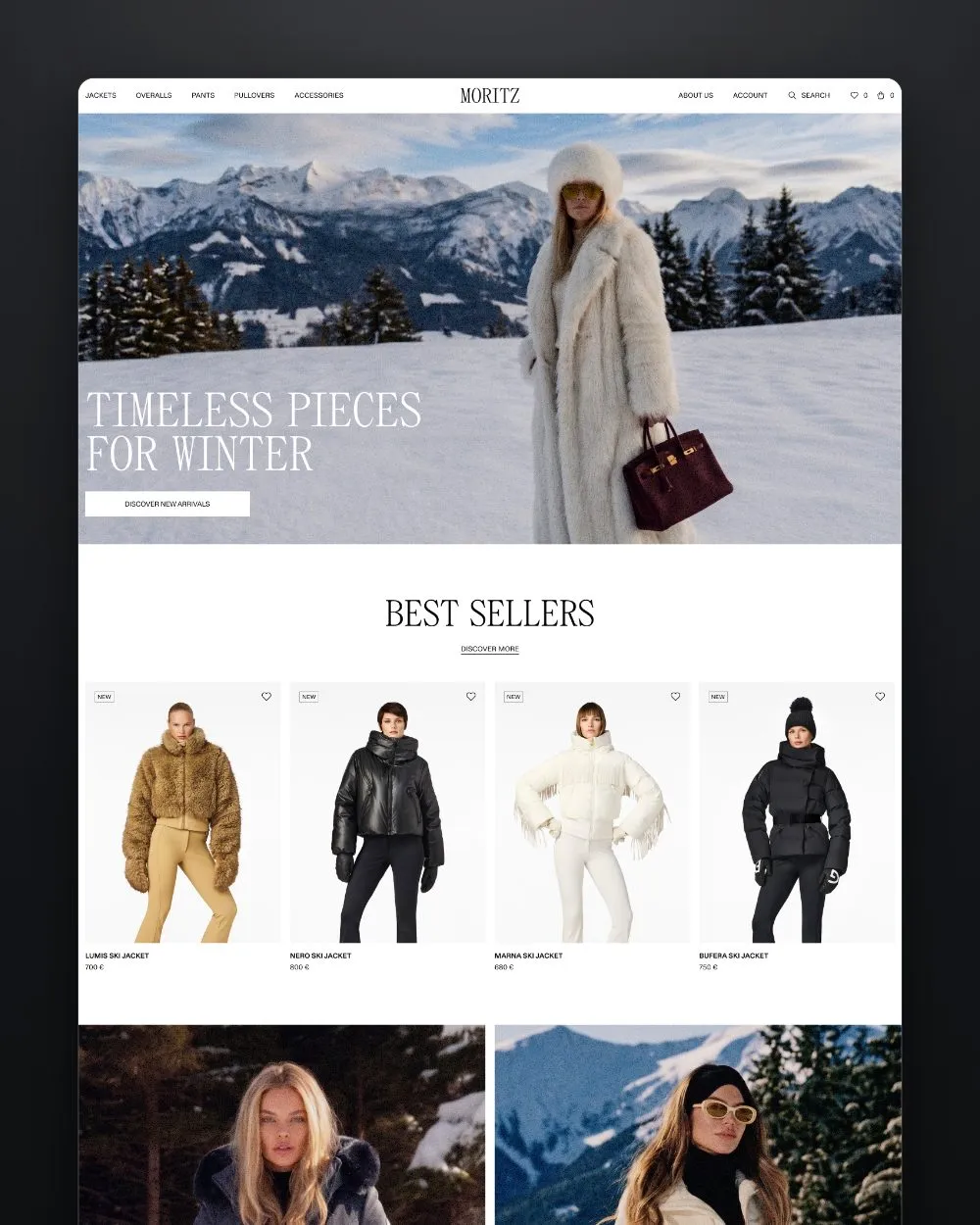
The standard we’re working towards

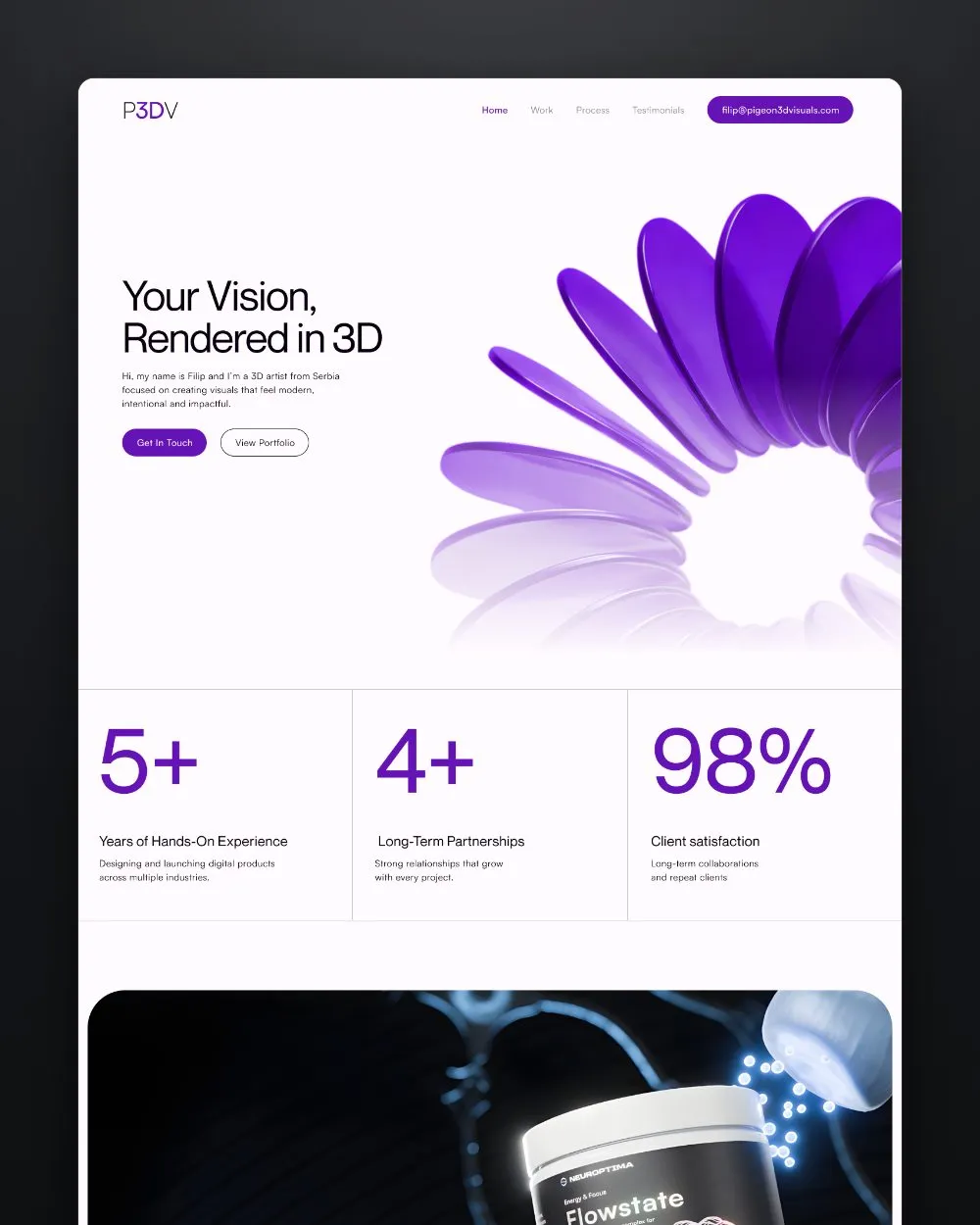
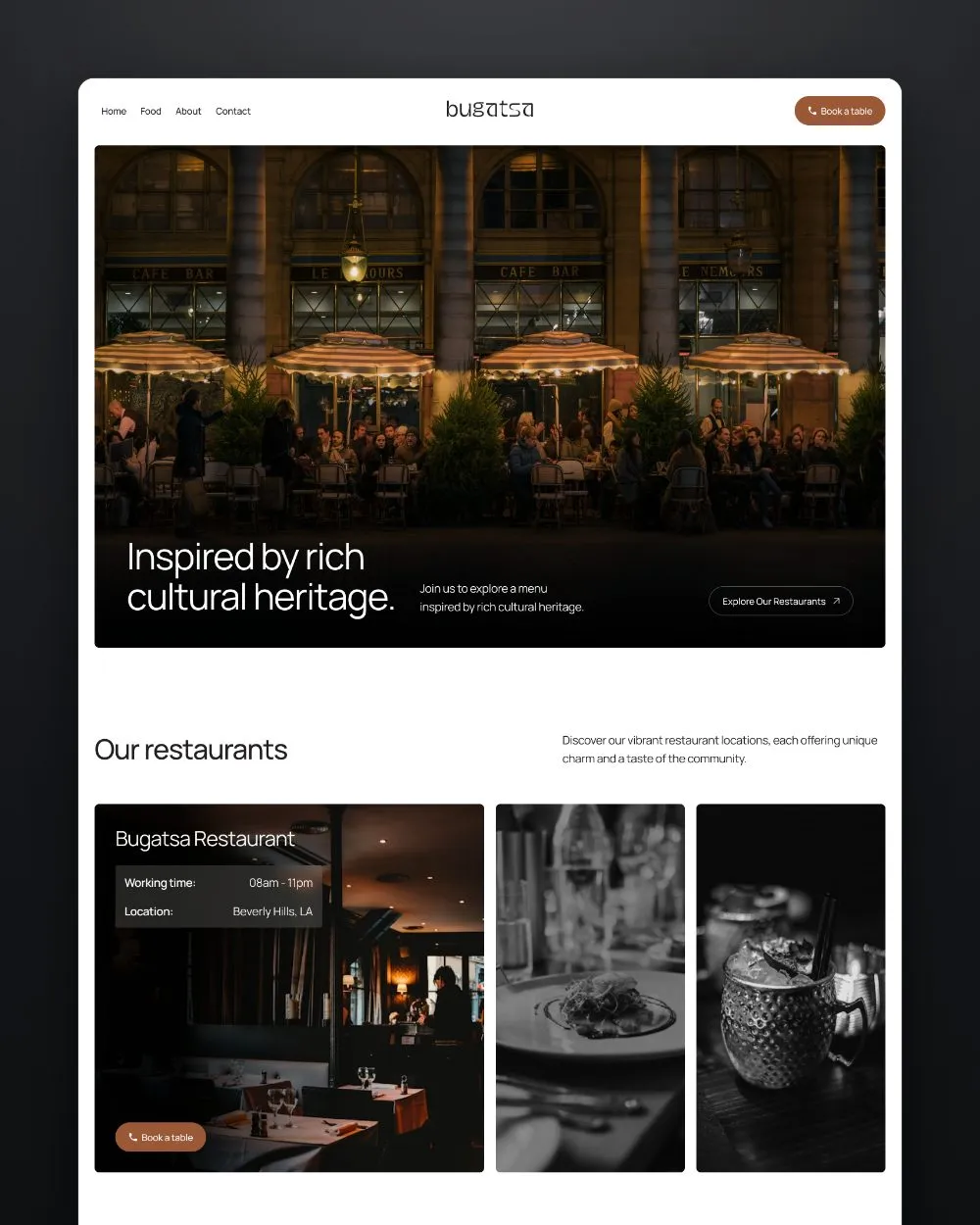
What students say
I was genuinely surprised by my progress after just two projects done with your principles.
I don’t like comparing people, but your principles have been far more useful to me than anything I’ve heard from other mentors. I really felt the difference in the way you talk about design.

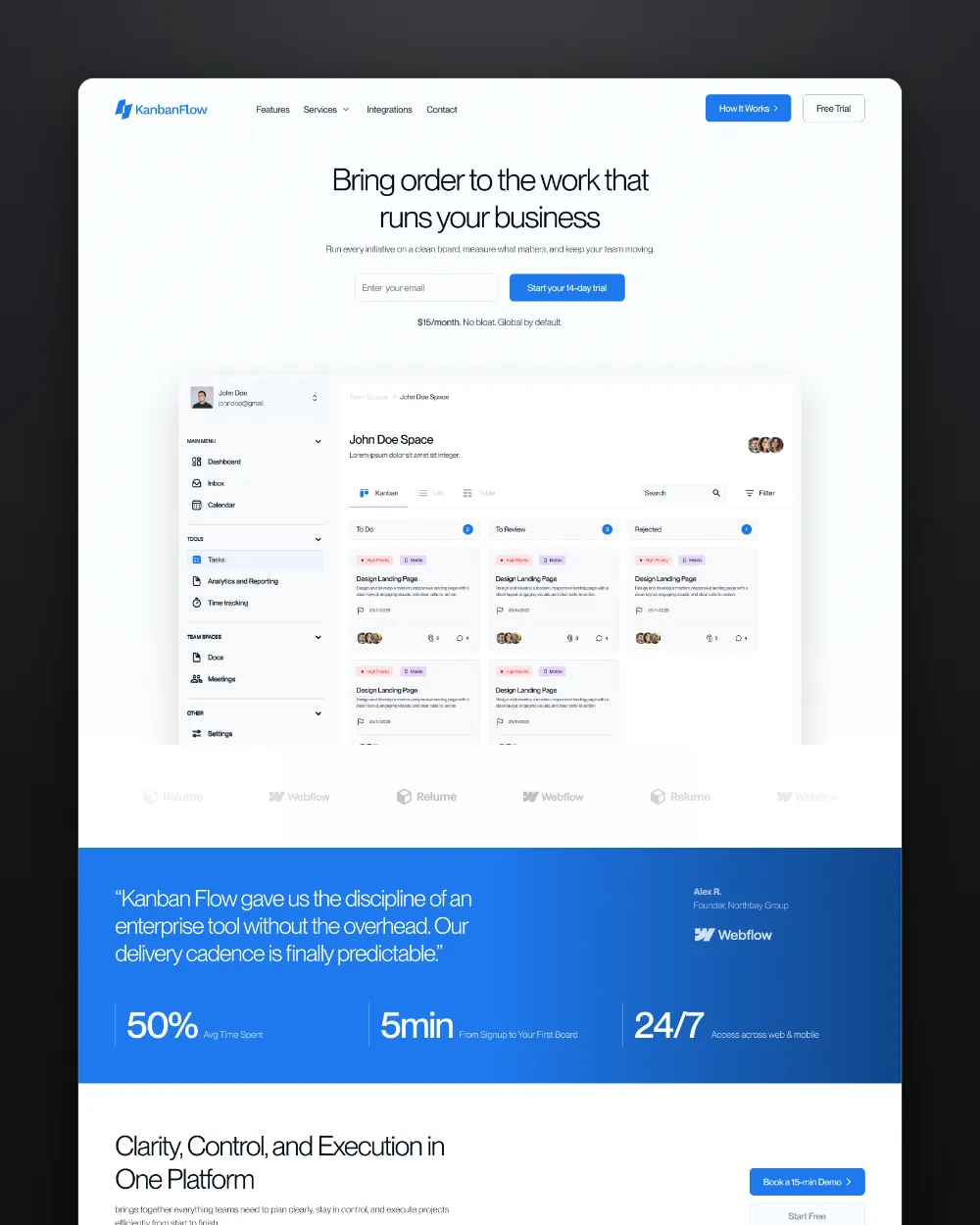 Designed this in only 3 months
“I feel like I'm moving forward because I've developed a sense for certain things like font size, hierarchy, spacing.”
I think differently about next steps, I have a different perspective — I no longer do something just because the layout is unique and beautiful, but also because it's functional for the user, and the same goes for visuals.”

“I am definitely moving forward because I now have a clearer process and feel more confident in my decisions.
Now I approach design thoughtfully — research first, then the visual part. This gives me more confidence.”

“I feel like I'm moving forward because at every session we learn something new that I haven't encountered before and that I can apply to my next project.”

“I'm not stuck, because the program is really good and with every lesson I learn something new.”

Five spots. Let’s make sure this actually fits.
This is for you if...
This probably isn’t for you if...
You’ll also get both of my core web design programs.
The live mentorship is where we apply the work. The courses give you structured material you can return to whenever you need it.
Future-Proof Web Designer
Watch my complete process of taking a real project from zero to finished design, alongside the core design principles behind the decisions.
From Brief to Visual Direction
Learn how to turn a brief into a clear visual direction instead of randomly collecting inspiration.
Both are included with the mentorship and remain available to you after the six months end.
One investment. Six months.
€2,000
One payment for the full six months.
3 × €700
Three payments across the program.
Frequently asked questions
Six months from now, you can still be asking yourself:
“What should I design here?”
Or you can have a process that helps you answer that question yourself.
If you’re serious about taking your web design work to a professional level and you’re ready to consistently put the work in, send me your portfolio. We’ll look at where you are now and whether this mentorship is the right next step.
Apply on WhatsApp →No pressure. I’ll first look at your work and tell you whether I think you’re a fit.